
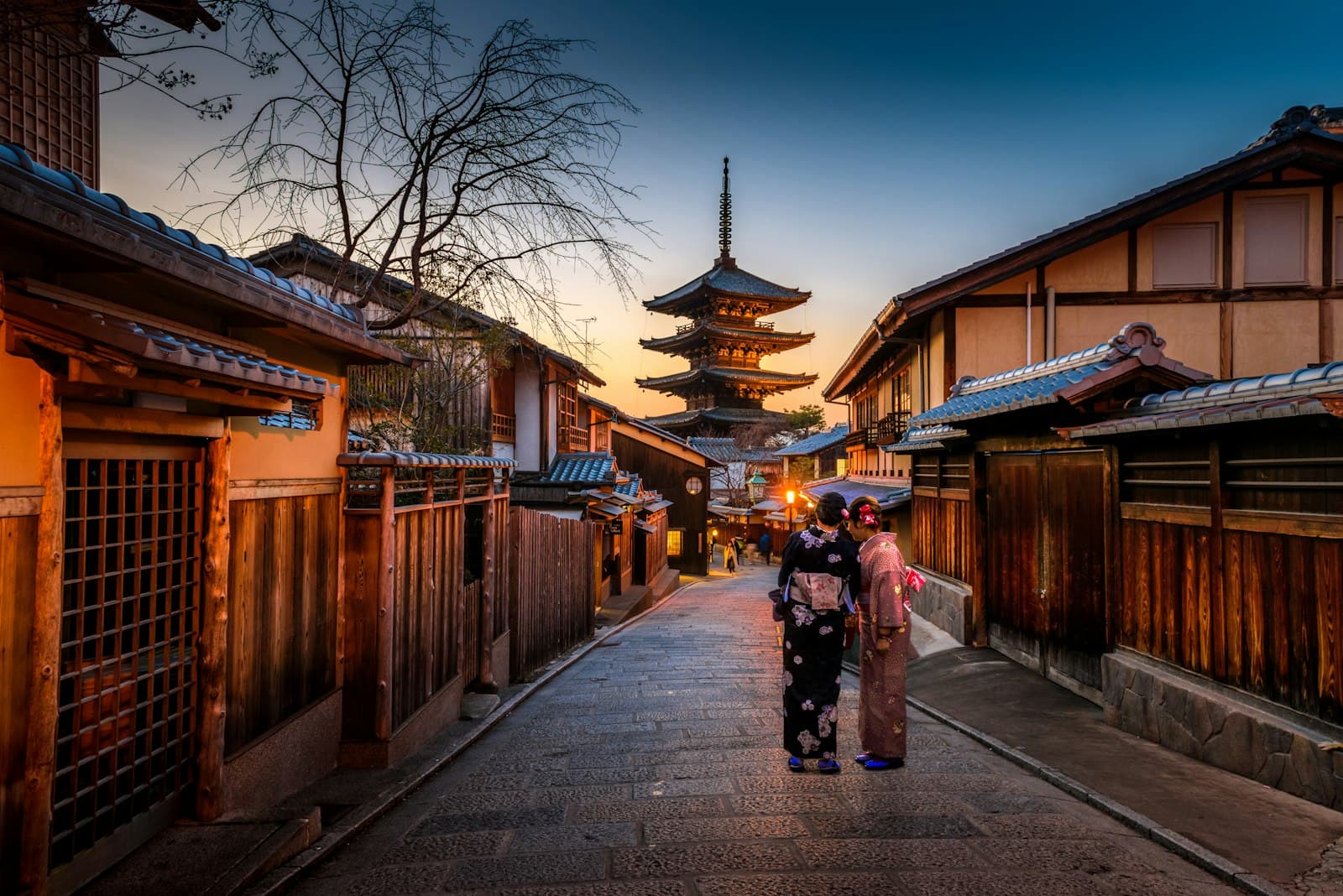
Best Time to Visit Japan
Japan is a destination like no other — a place where ancient temples sit in the shadow of futuristic skyscrapers, where meticulous tradition meets relentless innovation. From the neon-drenched streets of Tokyo and the tranquil bamboo groves of Kyoto to the snow-capped peak of Mt. Fuji and the tropical beaches of Okinawa, Japan rewards visitors in every season. But the best time to go depends on what you're chasing — cherry blossoms, powder snow, summer festivals, or the fiery colors of autumn.
Personalize your results
Tell us what matters to you and we'll rank every month accordingly.
Your month-by-month breakdown
Scores based on your preferences. Higher is better.
June
Rainy season (tsuyu) brings humid, overcast days to most of Japan. Not ideal for outdoor sightseeing, but crowds drop and prices are reasonable. Hydrangeas bloom beautifully. Hokkaido skips the rainy season entirely.
May
Warm, green, and pleasant after the blossoms fade. Golden Week (late April-May 5) is extremely busy with domestic travel — avoid those dates if possible. Mid-to-late May is one of the best windows: great weather, thinning crowds.
September
Heat eases but typhoon season peaks in September. It's a gamble — some weeks are glorious, others bring heavy rain. A quieter, cheaper window between summer and autumn foliage if you can handle the weather risk.
February
The quietest month for tourism and a great time for budget travel. The Sapporo Snow Festival is spectacular. Plum blossoms start appearing in warmer areas. Excellent powder snow across Hokkaido and Nagano.
January
Cold and crisp with clear skies. New Year is a deeply cultural experience — temples ring their bells 108 times at midnight. Ski season is in full swing in Hokkaido and the Japan Alps. Cities are quiet after January 3.
October
Autumn arrives with cooler air and the first fall colors in Hokkaido and the mountains. One of the most pleasant months weather-wise. Crowds build as koyo (autumn foliage) season approaches. A strong shoulder-season pick.
December
Cold but clear and dry in most of Japan. Beautiful winter illuminations light up Tokyo, Osaka, and Kobe. Early December is a quiet, affordable window. Ski season opens. Prices rise sharply around New Year's.
March
Spring begins and anticipation builds for cherry blossom season. Early sakura appears in Kyushu and Shikoku by late March. Prices start climbing. A transitional month with improving weather.
July
Hot and humid after the rainy season ends in mid-July. Summer festival season explodes with spectacular matsuri and fireworks displays. Gion Matsuri is one of Japan's greatest festivals. Mt. Fuji climbing season opens.
August
The hottest month — sweltering heat and high humidity in cities. Obon (mid-August) is a major domestic travel period. The Tohoku region's summer festivals are extraordinary. Great time for Hokkaido, which stays cooler.
November
Peak autumn color season — Kyoto's temples framed by red and gold maples are breathtaking. Nearly as popular (and expensive) as cherry blossom season. Book well ahead for Kyoto. Crisp, pleasant weather.
April
The most iconic month to visit Japan. Cherry blossoms peak in Tokyo and Kyoto in early April, drawing massive crowds. Book months ahead — hotels sell out fast. The atmosphere is magical but expect premium prices.
Quick facts
JPY (¥)
Japanese
US and EU citizens can visit visa-free for up to 90 days for tourism purposes. No pre-arrangement required — the visa waiver is granted on arrival.
10/10
Highlights
Explore cities in Japan
Get city-specific weather, costs, and personalized recommendations.
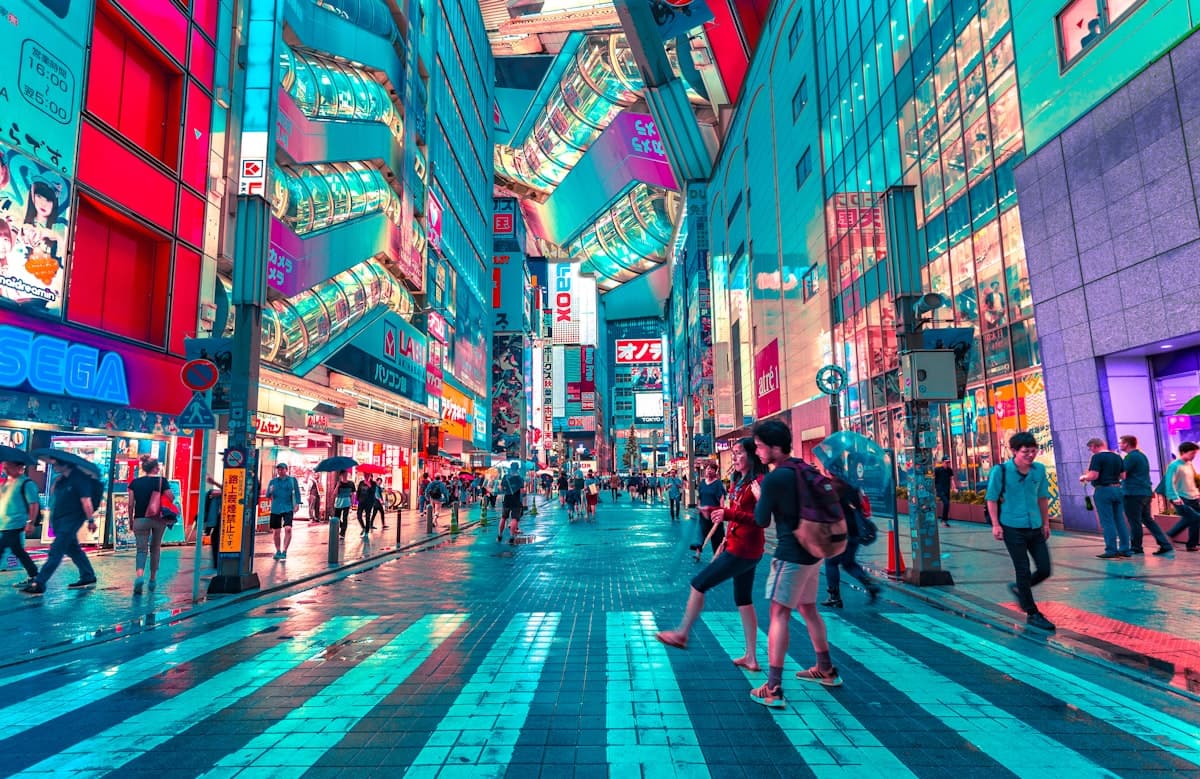
Tokyo
Tokyo is a city of electric contrasts — a place where centuries-old temples sit beside glass towers, where Michelin-star...
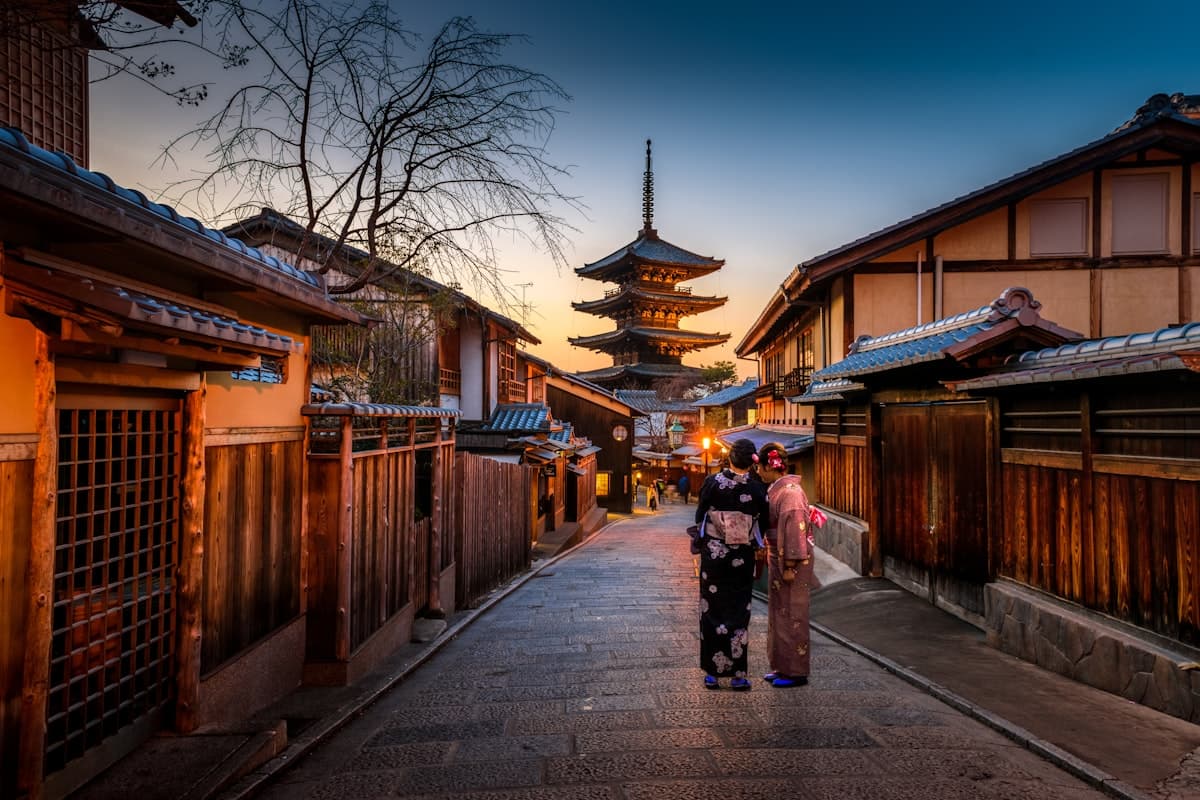
Kyoto
Kyoto is the cultural heart of Japan — a city of over 2,000 temples and shrines, centuries-old geisha traditions, and so...
Daily budget estimates
Average daily costs in USD per person.
budget
mid-range
luxury
Safety & things to know
Japan is one of the safest countries in the world for travelers. Violent crime is exceptionally rare, and theft is uncommon — lost wallets are routinely turned in to police. The country's culture of respect and order makes it remarkably safe at all hours.