
Best Time to Visit Kyoto
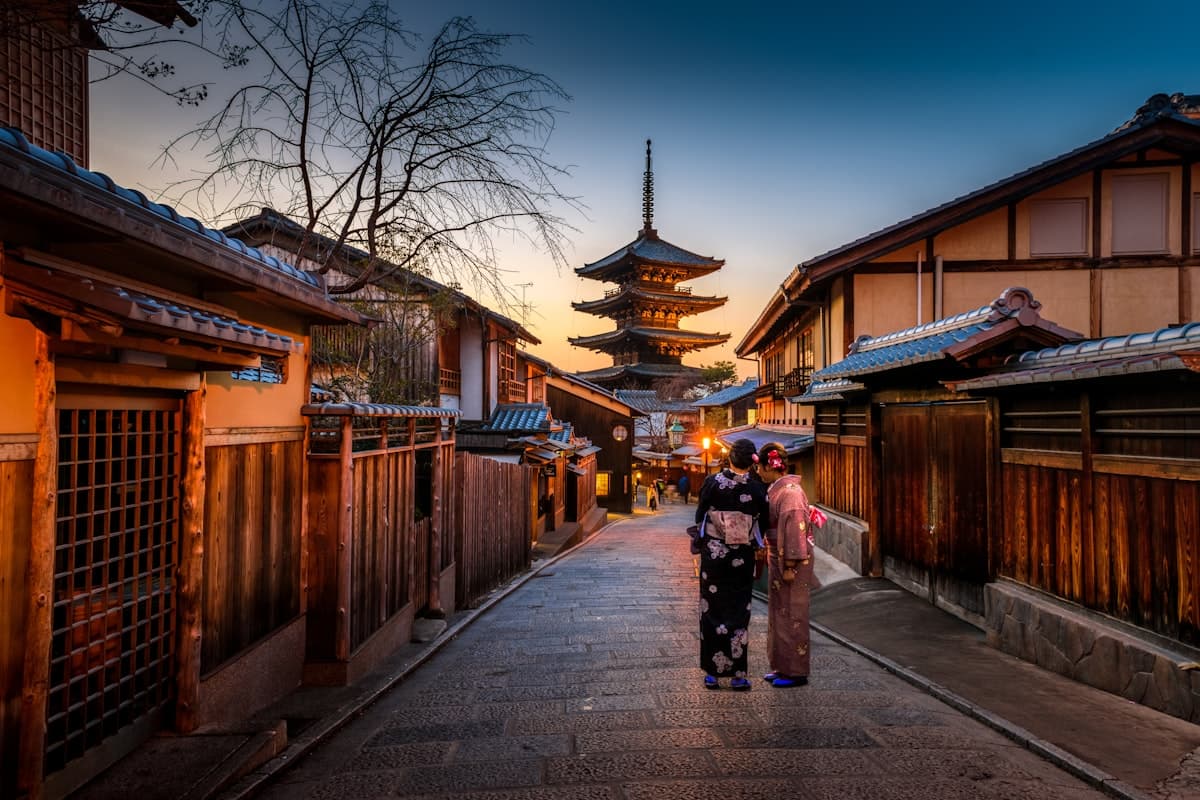
Kyoto is the cultural heart of Japan — a city of over 2,000 temples and shrines, centuries-old geisha traditions, and some of the most breathtaking seasonal scenery on earth. Once the imperial capital for over a thousand years, Kyoto moves at a different pace from Tokyo: quieter, more deliberate, deeply rooted in craft and ritual. The vermillion torii gates of Fushimi Inari, the golden pavilion of Kinkaku-ji, and the ethereal bamboo groves of Arashiyama draw millions each year. But timing is everything — cherry blossom season transforms the city into a pink wonderland, autumn foliage turns temple gardens into living paintings, and winter brings a rare serenity that rewards those willing to brave the cold.
Personalize your results
Tell us what matters to you and we'll rank every month accordingly.
Your month-by-month breakdown
Scores based on your preferences. Higher is better.
May
Warm and lush with fresh green foliage draping every temple garden. Avoid Golden Week (Apr 29-May 5) when domestic tourists overwhelm the city. After Golden Week, May is excellent — pleasant weather, thinning crowds, and the Aoi Matsuri procession is a stunning window into Heian-era court culture.
June
Kyoto's rainy season brings heavy humidity and frequent downpours. While not ideal for outdoor sightseeing, the rain-soaked moss gardens of Saiho-ji and Gio-ji are hauntingly beautiful. Hydrangeas bloom magnificently. Crowds thin dramatically and hotel prices drop — a budget traveler's opportunity.
October
One of Kyoto's finest months — crisp autumn air, clear skies, and the first hints of fall color in the northern hills. The Jidai Matsuri features a grand procession through the city in historical costume. The dramatic Kurama Fire Festival the same evening is raw and thrilling. Crowds build as foliage season approaches.
January
Cold and quiet — one of the best months for budget travelers. Temperatures hover near freezing at night with occasional snow dustings that transform temple gardens into magical scenes. Fushimi Inari is uncrowded in the morning, and you can explore Kyoto's temples in peaceful solitude.
February
Still cold but the first signs of spring appear as plum blossoms open at Kitano Tenmangu. Setsubun is a fantastic cultural experience — maiko from Gion perform at Yasaka Shrine. Very few tourists and low prices make this an underrated window for temple-hopping.
December
Cold and atmospheric — early December still catches late autumn color while the Arashiyama Hanatouro illumination bathes the bamboo grove in ethereal light. Occasional snow transforms Kinkaku-ji into a postcard scene. Prices are low outside the New Year period. A wonderful time for photographers and those seeking a quieter Kyoto.
September
Heat starts to break but typhoon season brings unpredictable rain. When the weather cooperates, September is a lovely low-crowd window. The moon-viewing ceremony at Daikaku-ji temple is a serene highlight. Prices are moderate and accommodation is easy to book.
August
Kyoto's hottest month — a sweltering basin that traps heat and humidity. But the Daimonji fire festival on August 16 is unforgettable, with giant kanji characters blazing on the surrounding mountains. Many locals leave during Obon, making some temples quieter. Early morning visits to Fushimi Inari beat the heat.
March
Anticipation builds as spring approaches. The Higashiyama Hanatouro lantern event lights up the streets around Kiyomizu-dera beautifully. By late March, the first cherry blossoms begin to open and prices surge. Book well ahead if visiting after March 20.
July
Hot, humid, and dominated by the legendary Gion Matsuri — a month-long festival culminating in massive float processions on July 17 and 24. The atmosphere is electric despite the oppressive heat. After mid-July the rain stops but temperatures climb above 33°C. Stay hydrated and carry a hand towel.
April
Kyoto's most magical and most crowded month. Cherry blossoms peak in early-to-mid April, turning the Philosopher's Path and Maruyama Park into tunnels of pink. The Miyako Odori geisha dances are a once-a-year spectacle. Book 3-6 months ahead — hotels charge peak rates and sell out completely.
November
Kyoto's second peak season — autumn foliage turns the city into a masterpiece of red, orange, and gold. Tofuku-ji's sea of maples and Eikan-do's night illuminations are legendary. Mid-to-late November is peak color. Crowds rival cherry blossom season and hotels book out months ahead at top prices.
Quick facts
JPY (¥)
Japanese
US and EU citizens can visit visa-free for up to 90 days. Visa waiver granted on arrival — no pre-arrangement needed.
10/10
Highlights
Daily budget estimates
Average daily costs in USD per person.
budget
mid-range
luxury
Safety & things to know
Kyoto is extremely safe — one of the safest cities in the world for travelers. Violent crime is virtually nonexistent, theft is rare, and the city is perfectly comfortable to walk at any hour. The biggest risks are natural (earthquakes, summer heat) rather than criminal.