
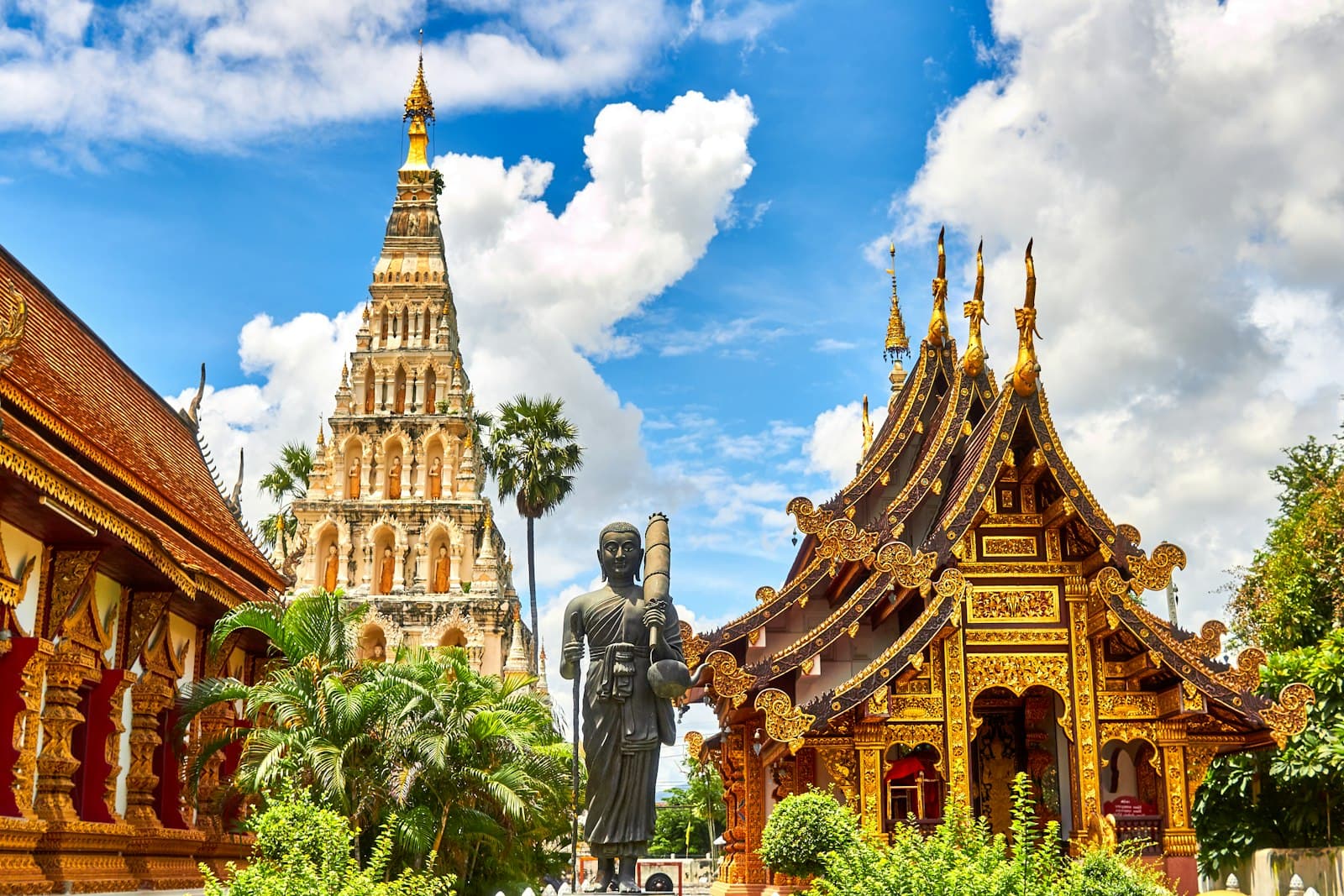
Best Time to Visit Thailand
Thailand is Southeast Asia's most beloved destination, offering an extraordinary range of experiences at prices that won't break the bank. From the gilded temples and vibrant street food stalls of Bangkok to the limestone karsts of Krabi, the jungle-clad mountains of Chiang Mai, and the crystal-clear waters of the southern islands, the country rewards every type of traveler. But timing matters enormously here — the monsoon season can turn paradise beaches into grey, stormy affairs, while the cool dry season brings perfect weather alongside peak crowds and prices. Understanding the seasonal rhythms is key to getting the most out of your trip.
Personalize your results
Tell us what matters to you and we'll rank every month accordingly.
Your month-by-month breakdown
Scores based on your preferences. Higher is better.
September
The rainiest month overall and the quietest for tourism. Some areas may experience flooding. Rock-bottom prices on everything. Best suited for Bangkok city exploration and cultural trips.
June
Full monsoon season with regular rain, especially on the Andaman coast. The Gulf coast (Koh Samui, Koh Phangan) actually stays relatively dry. Deep low season means great deals.
July
Monsoon continues but rain usually comes in short bursts. Lush green landscapes are stunning. Very few tourists outside Bangkok. Great for northern Thailand trekking between showers.
October
Monsoon winds down in the second half of the month. The transition period means some great sunny spells. Deals are still excellent and crowds minimal.
May
The monsoon season begins. Afternoon downpours become frequent but mornings are often clear. Prices drop significantly. Good for budget travelers who don't mind some rain.
August
The wettest month in many regions. Andaman coast islands may have rough seas. A slight uptick in visitors due to European summer holidays. Koh Samui remains a solid option.
April
The hottest month of the year — Bangkok can feel oppressive. Songkran is Thailand's most famous festival, with massive water fights nationwide. Crowds spike during the holiday week.
November
The cool, dry season begins and Thailand transforms. Loy Krathong and Yi Peng are among Southeast Asia's most magical festivals. Crowds and prices start climbing back up.
March
Temperatures climb as the hot season begins. Still mostly dry and great for the islands. Crowds start thinning slightly and prices dip a notch from peak.
January
Peak dry season with hot, sunny days and almost no rain. One of the best months for beaches and islands, but expect big crowds and high prices across the board.
February
Still peak season with excellent weather. Chinese New Year brings festive energy to Bangkok's Chinatown. Slightly fewer crowds than January but beaches remain busy.
December
The most popular month alongside January. Cool, dry, and sunny — ideal weather everywhere. Holiday season means peak prices and fully booked resorts. Book months in advance.
Quick facts
THB (฿)
Thai
US and EU citizens can enter visa-free for up to 60 days. Extensions of 30 days are available at immigration offices for 1,900 THB.
7/10
Highlights
Explore cities in Thailand
Get city-specific weather, costs, and personalized recommendations.
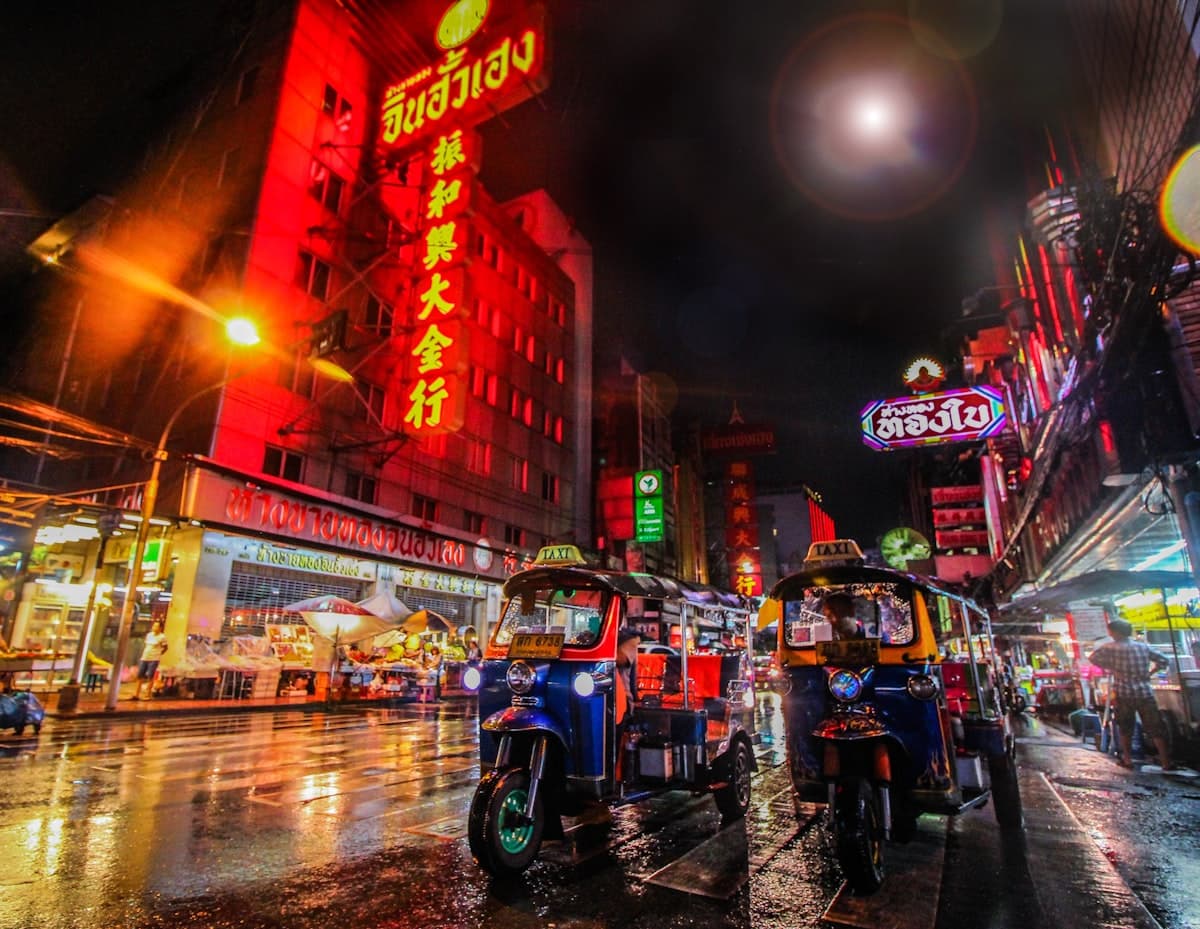
Bangkok
Bangkok is a city that hits every sense at once — the smell of pad thai sizzling on a street cart, the glint of golden t...
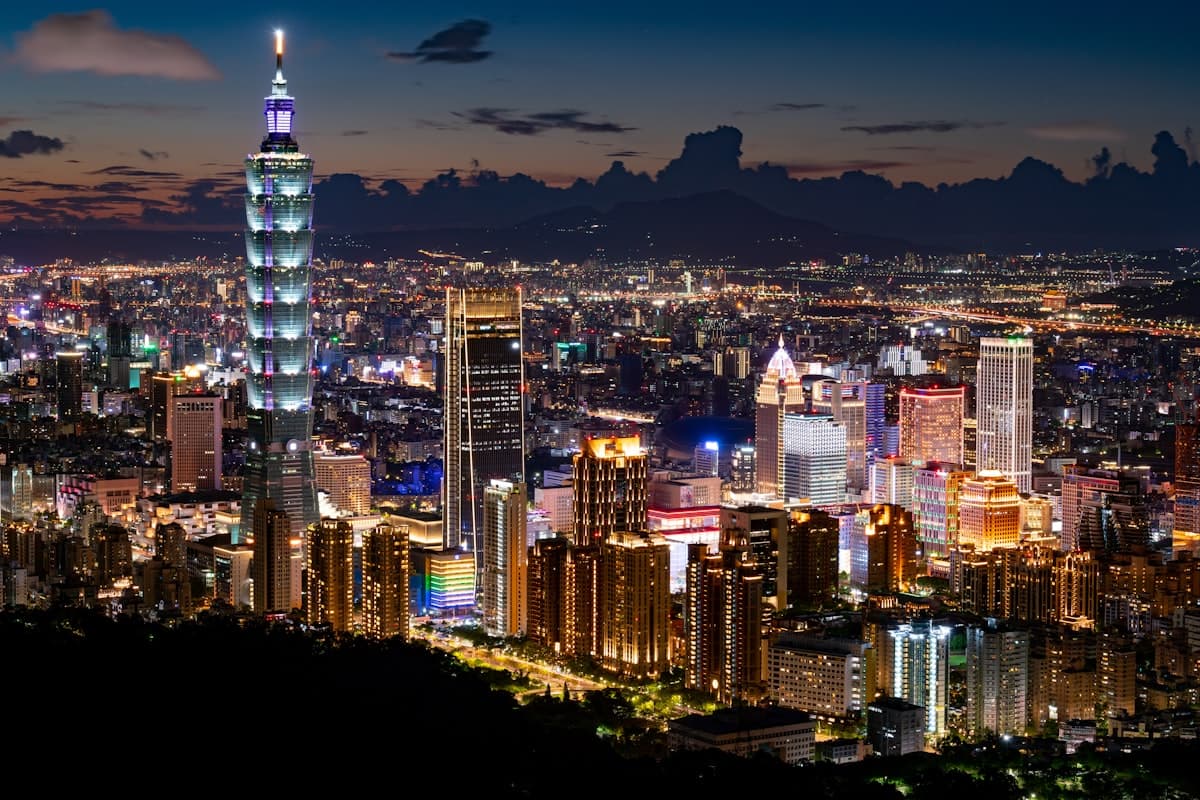
Chiang Mai
Chiang Mai is northern Thailand's cultural capital — a city of over 300 ancient temples ringed by forested mountains, wh...
Daily budget estimates
Average daily costs in USD per person.
budget
mid-range
luxury
Safety & things to know
Thailand is generally safe for tourists and millions visit without incident every year. Violent crime against travelers is rare, but petty scams and minor theft are common in tourist hotspots. Use common sense and stay aware of your surroundings.