
Best Time to Visit Tokyo
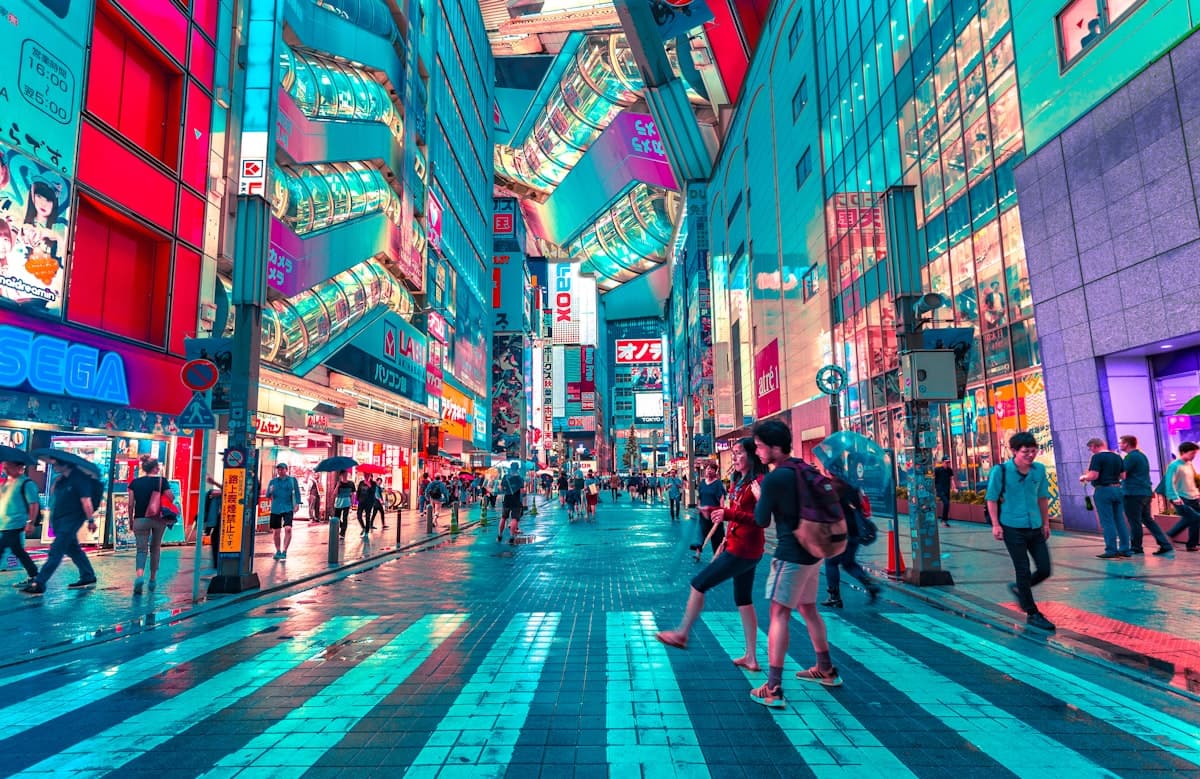
Tokyo is a city of electric contrasts — a place where centuries-old temples sit beside glass towers, where Michelin-starred restaurants share streets with ¥500 ramen counters, and where the serene gardens of the Imperial Palace are minutes from the sensory overload of Shibuya Crossing. With 14 million people and more restaurants than any city on earth, Tokyo rewards every kind of traveler. But when you visit matters enormously — cherry blossom season is magical but mobbed, summer is sweltering, and the shoulder seasons offer the best balance of weather, crowds, and cost.
Personalize your results
Tell us what matters to you and we'll rank every month accordingly.
Your month-by-month breakdown
Scores based on your preferences. Higher is better.
June
The rainy season brings humid, overcast days. Not ideal for walking the city, but crowds vanish and hotel prices plummet. A budget traveler's sweet spot — bring an umbrella and explore Tokyo's incredible indoor scene.
May
Warm and green with pleasant weather. Avoid Golden Week (Apr 29-May 5) when domestic tourists flood the city. Mid-to-late May is one of the best windows — great weather, post-sakura calm, and Sanja Matsuri is electric.
September
Heat starts to ease but typhoon season peaks — check forecasts before booking. When the weather cooperates, it's a great low-crowd, lower-cost window. The Tokyo Game Show draws gaming fans worldwide.
February
The quietest, cheapest month to visit Tokyo. Cold but dry — perfect for exploring indoor attractions, shopping, and eating. Early plum blossoms at shrines are a peaceful preview of sakura season.
October
One of the best months — comfortable temperatures, autumn colors beginning in parks, and a festive atmosphere building toward the fall season. Halloween has become a massive celebration in Shibuya.
January
Cold and dry with clear winter skies. New Year's is deeply cultural — join the crowds at Meiji Jingu for hatsumode. After January 3, the city empties out and prices drop. Great for museum-hopping and ramen.
December
Cold but clear and magical — Tokyo's winter illuminations are spectacular, from Roppongi to Marunouchi. Early December is affordable and uncrowded. Prices spike around Christmas and New Year's.
March
Spring awakens and anticipation builds for sakura. By late March, the first cherry blossoms open in central Tokyo. Prices begin climbing. The weather is increasingly pleasant with longer days.
July
Hot and humid after the rainy season breaks in mid-July. The Sumida River fireworks are one of Tokyo's great spectacles — a million people line the riverbanks. Air-conditioned malls and museums offer refuge from the heat.
November
Stunning autumn color across Tokyo's parks and gardens. Meiji Jingu Gaien's ginkgo avenue turns brilliant gold, and Rikugien Garden glows with night illuminations. Popular but not as intense as April.
August
Tokyo's hottest month — relentless heat and humidity. Many locals leave during Obon (mid-August), making some areas quieter. The Koenji Awa Odori is one of Tokyo's best summer festivals with a million spectators.
April
The single most popular month — cherry blossoms peak in early April and the city is absolutely stunning. Shinjuku Gyoen and Meguro River are iconic. Book 3-6 months ahead — hotels sell out at premium prices.
Quick facts
JPY (¥)
Japanese
US and EU citizens can visit visa-free for up to 90 days. Visa waiver granted on arrival — no pre-arrangement needed.
10/10
Highlights
Daily budget estimates
Average daily costs in USD per person.
budget
mid-range
luxury
Safety & things to know
Tokyo is one of the safest major cities in the world. Violent crime against tourists is virtually unheard of, and even petty crime is rare. You can walk anywhere at any hour with confidence.