
Best Time to Visit Vietnam
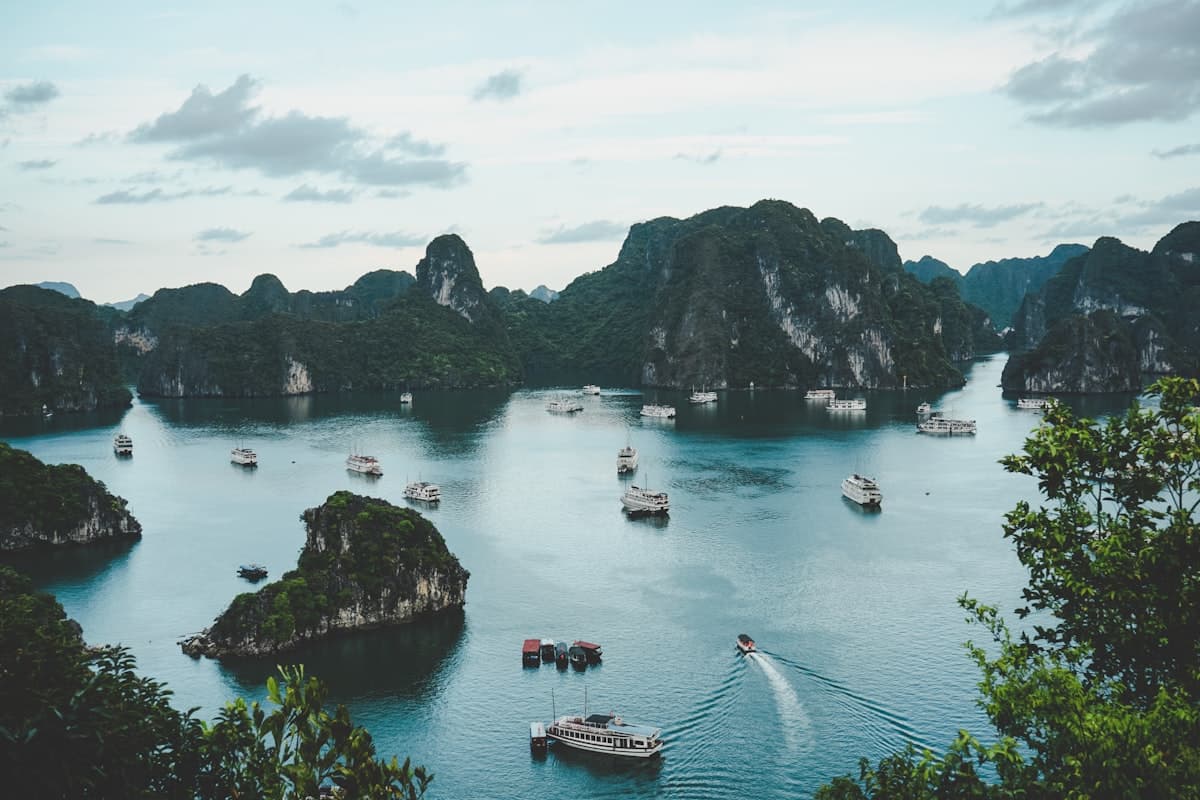
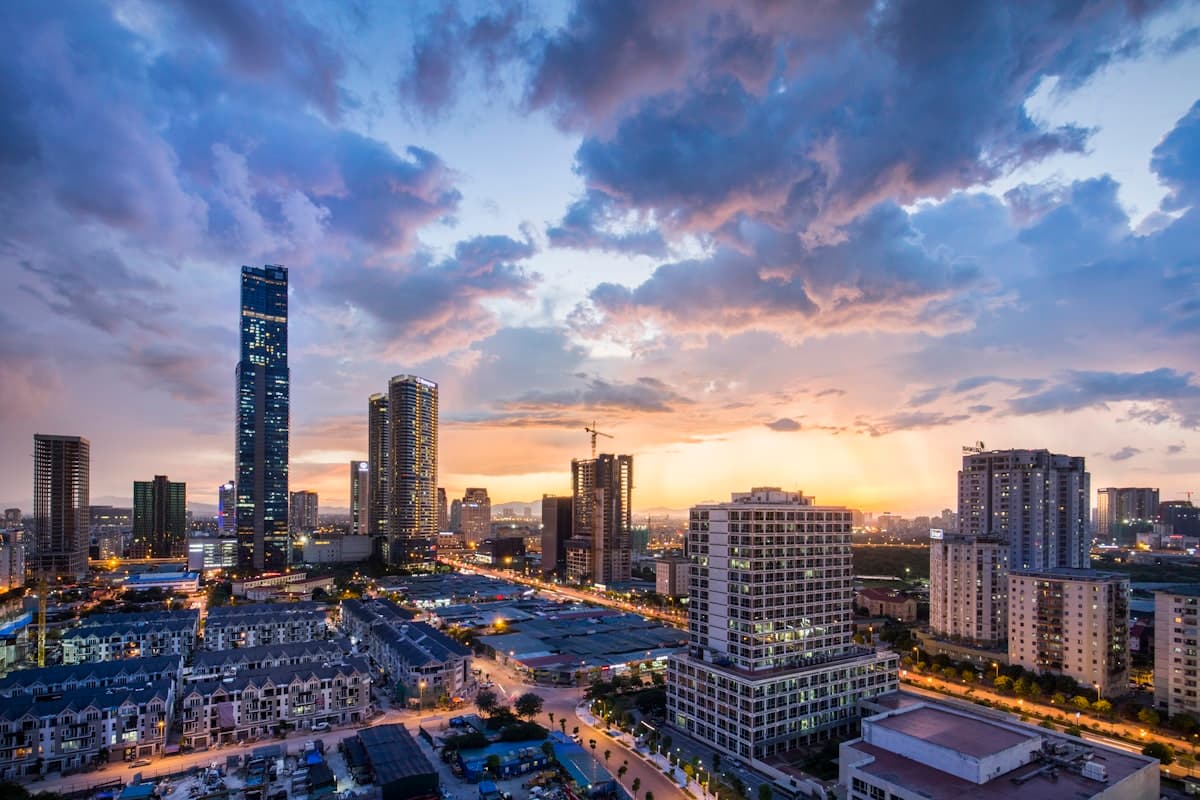
Vietnam is a country that overwhelms the senses in the best possible way — a ribbon of coastline stretching over 3,000 kilometers, where emerald rice paddies climb misty mountain terraces, limestone karsts rise from turquoise waters, and ancient towns glow with silk lanterns at dusk. From the frenetic energy of Hanoi's Old Quarter and the street food capital of Ho Chi Minh City to the serene beauty of Ha Long Bay and the charm of Hoi An, Vietnam offers extraordinary value and diversity. But timing matters — the climate varies dramatically from north to south, and choosing the right season can make the difference between paradise and monsoon.
Personalize your results
Tell us what matters to you and we'll rank every month accordingly.
Your month-by-month breakdown
Scores based on your preferences. Higher is better.
January
Peak season in the south with dry, warm weather perfect for beaches and the Mekong Delta. The north is cold and grey with drizzle — Hanoi averages 17°C and overcast skies. Central Vietnam is pleasant with cool, dry days. Prices are elevated due to high season and approaching Tet.
December
High season returns with dry weather across most of the country. The south is warm and sunny — perfect beach weather. The north is cool and dry, ideal for Ha Long Bay cruises and Hanoi sightseeing. Central Vietnam clears up. Prices climb, especially around Christmas and New Year's.
February
Tet transforms the country — cities empty as people return to their hometowns, then celebrations fill the streets with flowers, fireworks, and feasts. Many shops and restaurants close for days. The south stays dry and warm. The north remains cool and overcast. A culturally rich but logistically challenging time to visit.
March
An excellent month across much of Vietnam. The north warms up with spring arriving in Hanoi — pleasant temperatures and less drizzle. Central Vietnam is dry and comfortable. The south remains hot and dry before the wet season. Post-Tet prices settle back down, making this a strong value pick.
September
The most challenging month weather-wise. Heavy rains continue in the north and south. Central Vietnam enters typhoon season — Hoi An and Danang face storm risks through November. The Mid-Autumn Festival is a charming cultural highlight with children's lantern parades. The cheapest month to visit.
November
One of the best months for overall travel. The north is cool, dry, and clear — Hanoi and Ha Long Bay are at their finest. The south transitions to dry season with dropping humidity. Central Vietnam still carries some typhoon risk early in the month. Tourist numbers build as high season approaches.
May
The south transitions into wet season with afternoon downpours, though mornings are often sunny. The north heats up with rising humidity. Central Vietnam remains dry and is arguably at its best — warm seas, clear skies, and few tourists. A budget-friendly month across the country.
June
Hot and increasingly wet across the north and south. Heavy afternoon rains hit Hanoi and Ho Chi Minh City regularly. Central Vietnam stays drier — Danang and Hoi An are great choices. Tropical fruit is at its peak. Low tourist numbers mean excellent hotel deals everywhere.
October
The north begins to dry out and cool down — Hanoi enters its most pleasant season. Sapa's rice terraces turn golden before harvest. The south is still wet but rains ease. Central Vietnam remains risky with typhoons. A transitional month — great for the north, avoid the center.
April
Warming up everywhere. The north enjoys its best spring weather — Hanoi is warm and relatively dry. Central Vietnam is ideal with clear skies and warm seas. The south is very hot (35°C+) as the dry season reaches its peak. Shoulder-season pricing makes this excellent value for central and northern travel.
July
Peak summer heat with heavy monsoon rains in the north and south. Domestic tourism picks up as Vietnamese families travel. Ha Long Bay is hot but scenic between showers. Central beaches remain the safest bet for dry weather. Sapa's rice terraces turn vivid green — stunning for trekking.
August
The wettest month in many parts of Vietnam. The north sees heavy rains and occasional flooding in mountainous areas. The south continues with daily downpours. Central Vietnam remains drier but humidity climbs. Sapa's terraces are lush and photogenic. Budget travelers benefit from rock-bottom prices.
Quick facts
VND (₫)
Vietnamese
Most nationalities need an e-visa ($25, valid for 30 days, single entry). Some countries qualify for visa-free entry for 15-45 days depending on nationality. E-visas are processed online in 3 business days.
7/10
Highlights
Explore cities in Vietnam
Get city-specific weather, costs, and personalized recommendations.
Daily budget estimates
Average daily costs in USD per person.
budget
mid-range
luxury
Safety & things to know
Vietnam is generally safe for tourists with friendly locals and low violent crime. Petty theft is the main concern, particularly in busy cities and tourist areas. The biggest daily hazard is traffic — motorbikes dominate the roads and crossings can be intimidating.