
Best Time to Visit Cairo
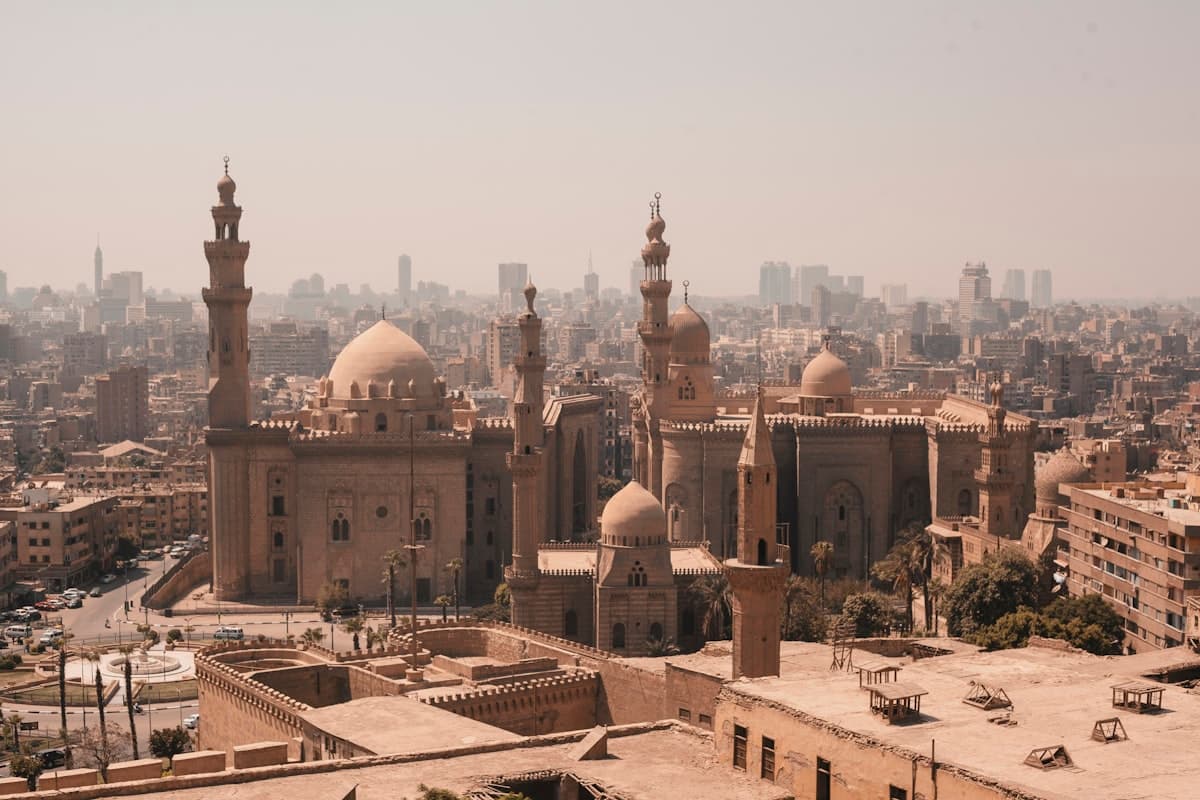
Cairo is a city that overwhelms the senses — a sprawling, chaotic, magnificent metropolis of 20 million people where the ancient and modern collide at every turn. The Pyramids of Giza rise from the western edge of the city, the medieval minarets of Islamic Cairo pierce the hazy skyline, and the Nile cuts through it all, lined with feluccas and floating restaurants. From the treasures of the Egyptian Museum to the labyrinthine alleys of Khan el-Khalili, Cairo is a city that demands time, patience, and an open heart. When you visit shapes the experience dramatically — winter is blissful, summer is brutal.
Personalize your results
Tell us what matters to you and we'll rank every month accordingly.
Your month-by-month breakdown
Scores based on your preferences. Higher is better.
March
Spring arrives with warm, generally pleasant weather. The khamsin winds begin — these hot, dusty sandstorms from the Sahara can reduce visibility and coat everything in fine sand. They're intermittent, usually lasting a day or two. Between storms, conditions are lovely.
November
Beautiful weather — warm, sunny days and cool evenings. Ideal for spending full days at the Pyramids, exploring Islamic Cairo on foot, or taking a felucca on the Nile at sunset. The Cairo International Film Festival adds cultural flair. Book hotels in advance.
April
Warm but still good for sightseeing, especially mornings and late afternoons. Easter brings a surge of visitors. If Ramadan falls in April, many restaurants close during daylight hours but the iftar atmosphere at sunset is extraordinary — Khan el-Khalili comes alive after dark.
October
Excellent month to visit — temperatures drop to a very comfortable 29°C and the oppressive summer heat is gone. Sightseeing is enjoyable all day. Tourist numbers pick up and prices rise, but it's less crowded than December. One of the best value-to-weather months.
July
One of the hottest months — the city is stifling with high temperatures and urban heat amplifying the discomfort. Major sites are nearly deserted. Budget travelers who wake at dawn can see the Pyramids and Sphinx in relative solitude. Afternoons are best spent indoors.
February
Slightly warmer than January with longer sunny days. Excellent conditions for outdoor sightseeing. The Grand Egyptian Museum and Pyramids are comfortable all day. A sweet spot — still high season quality weather but slightly fewer crowds than December-January.
June
Hot and dry — Cairo bakes under relentless sun with temperatures regularly hitting 36°C. Outdoor sightseeing is punishing between 11am and 4pm. The upside: the Pyramids at sunrise are practically empty and hotel prices are at their lowest. Only for heat-tolerant travelers.
August
Still very hot but marginally less extreme than July. Humidity from the Nile can make evenings muggy. The Wafaa El-Nil festival celebrates the ancient Nile flood. A handful of European summer tourists appear but Cairo remains quiet. Prices remain low.
May
The heat arrives in earnest — midday temperatures push past 33°C and the city gets dusty. Sightseeing shifts to early morning and evening. Crowds drop sharply and prices follow. Air-conditioned museums become your best friend. Still manageable with planning.
September
Temperatures start to drop — still hot at 33°C but noticeably more bearable than July-August. A transitional month that offers low-season pricing with improving conditions. Mornings and evenings become pleasant for walking. A smart budget pick.
December
Peak tourist season — the weather is at its most pleasant with cool, crisp days perfect for sightseeing. Christmas and New Year's bring the biggest crowds and highest prices of the year. The Pyramids sound-and-light show is atmospheric on cool evenings. Book everything well in advance.
January
Cool and pleasant — one of the best months for exploring Cairo. Daytime temperatures hover around 19°C, perfect for wandering the Pyramids and Khan el-Khalili without wilting. Evenings can be chilly. High season means busy sites but manageable crowds.
Quick facts
EGP (E£)
Arabic
Most nationalities need a visa-on-arrival ($25) or e-visa. Easy to obtain at Cairo airport. Some nationalities require a pre-arranged visa from an Egyptian consulate.
6/10
Highlights
Daily budget estimates
Average daily costs in USD per person.
budget
mid-range
luxury
Safety & things to know
Cairo's main tourist areas are generally safe with a visible tourism police presence around the Pyramids, museums, and major hotels. However, persistent touts and self-appointed guides are a constant feature at every tourist site and can be exhausting to navigate.