
Best Time to Visit Dubrovnik
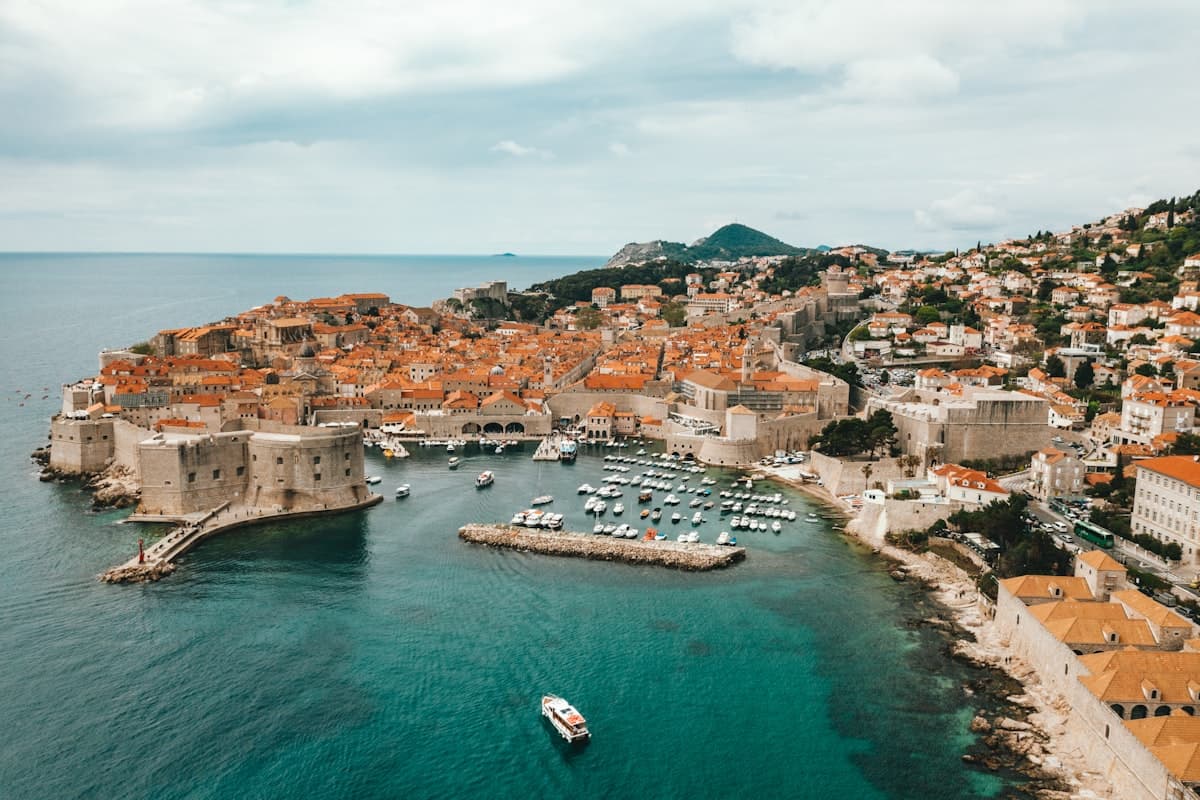
Dubrovnik is one of the Mediterranean's most breathtaking cities — a walled jewel perched on the Adriatic where terracotta rooftops cascade down limestone cliffs to crystal-clear waters. The UNESCO-listed Old Town, with its marble-paved Stradun and fortress walls you can walk end to end, has drawn travelers for centuries. But its recent fame as a Game of Thrones filming location and a major cruise ship port means the difference between visiting in August and May is staggering. At peak season, up to 10,000 cruise passengers a day flood the narrow streets; in the shoulder months, you can have the walls nearly to yourself.
Personalize your results
Tell us what matters to you and we'll rank every month accordingly.
Your month-by-month breakdown
Scores based on your preferences. Higher is better.
May
One of the best months to visit Dubrovnik. Warm, sunny weather with the sea becoming swimmable by late May. Cruise ships are present but manageable, and prices haven't hit their summer peak. Ideal for combining city sightseeing with island-hopping to Lokrum, Mljet, and the Elafiti Islands.
June
Summer arrives with hot, sunny days and warm seas. Early June is still shoulder-season quality with fewer crowds than July, while late June starts feeling busy. The water is perfect for kayaking around the city walls and swimming at Banje Beach. A strong choice if you want summer weather without peak chaos.
September
Arguably the sweet spot for visiting Dubrovnik. Summer heat lingers but the worst crowds have departed. The sea is at its warmest, perfect for swimming and kayaking. Prices drop noticeably. Early September still feels like summer; by late September the city relaxes into autumn calm.
October
Autumn brings peaceful days, golden light, and an empty Old Town. Swimming is still possible in early October when the sea retains its summer warmth. Occasional rain showers but plenty of sunny spells. Restaurants are still open and prices are very reasonable. One of the best value months.
January
Deep low season in Dubrovnik. Many restaurants and hotels are closed for winter, and the Old Town is nearly empty. Cool and rainy with short days, but the city walls are peaceful and accommodation is a fraction of summer prices. A good time for photography and solitude.
February
Still deep off-season but the Feast of Saint Blaise on February 3 is a genuine highlight — a UNESCO-listed tradition with religious processions, folk dancing, and the city coming alive for a day. Otherwise very quiet with limited dining options.
November
Low season returns. The city grows quiet as seasonal restaurants and hotels close for winter. Rainy and overcast but mild compared to northern Europe. Excellent for budget travelers who want to explore the Old Town in solitude. Dining options become limited.
March
Spring arrives slowly. Temperatures climb and restaurants start reopening, though some seasonal spots remain closed until April. Excellent for walking the walls and exploring the Old Town without any crowds. The weather can be changeable but mild.
December
Cool and wet, but the Dubrovnik Winter Festival brings festive warmth to the Old Town with Christmas markets, concerts, and lights strung across the Stradun. New Year's Eve on the main street is atmospheric. A quiet, affordable time to visit with holiday charm.
April
A lovely shoulder season month. The Old Town is alive again with most businesses open, but cruise ships are still infrequent. Warm enough for comfortable sightseeing and the occasional sunny beach day, though the sea is still cool for swimming. Great value.
July
Peak season in full force. Scorching heat and massive cruise ship crowds make the narrow Old Town streets feel overwhelmed — the city introduced a visitor cap of 4,000 in the Old Town at any one time. The Summer Festival is world-class, but expect premium prices for everything. Book months ahead.
August
The busiest and most expensive month. European holiday season combines with cruise ships to create extreme crowds. Temperatures regularly exceed 30°C and the Old Town radiates heat from its stone walls. The Summer Festival offers spectacular performances, but the overall experience can be exhausting.
Quick facts
EUR (€)
Croatian
US and EU citizens can visit visa-free for up to 90 days within a 180-day period (Schengen Area). Croatia joined Schengen in January 2023.
9/10
Highlights
Daily budget estimates
Average daily costs in USD per person.
budget
mid-range
luxury
Safety & things to know
Dubrovnik is one of the safest cities in Europe. Violent crime against tourists is virtually unheard of, and even petty crime is uncommon compared to other Mediterranean tourist hotspots. The Old Town is well-patrolled and feels safe at all hours.