
Best Time to Visit Croatia
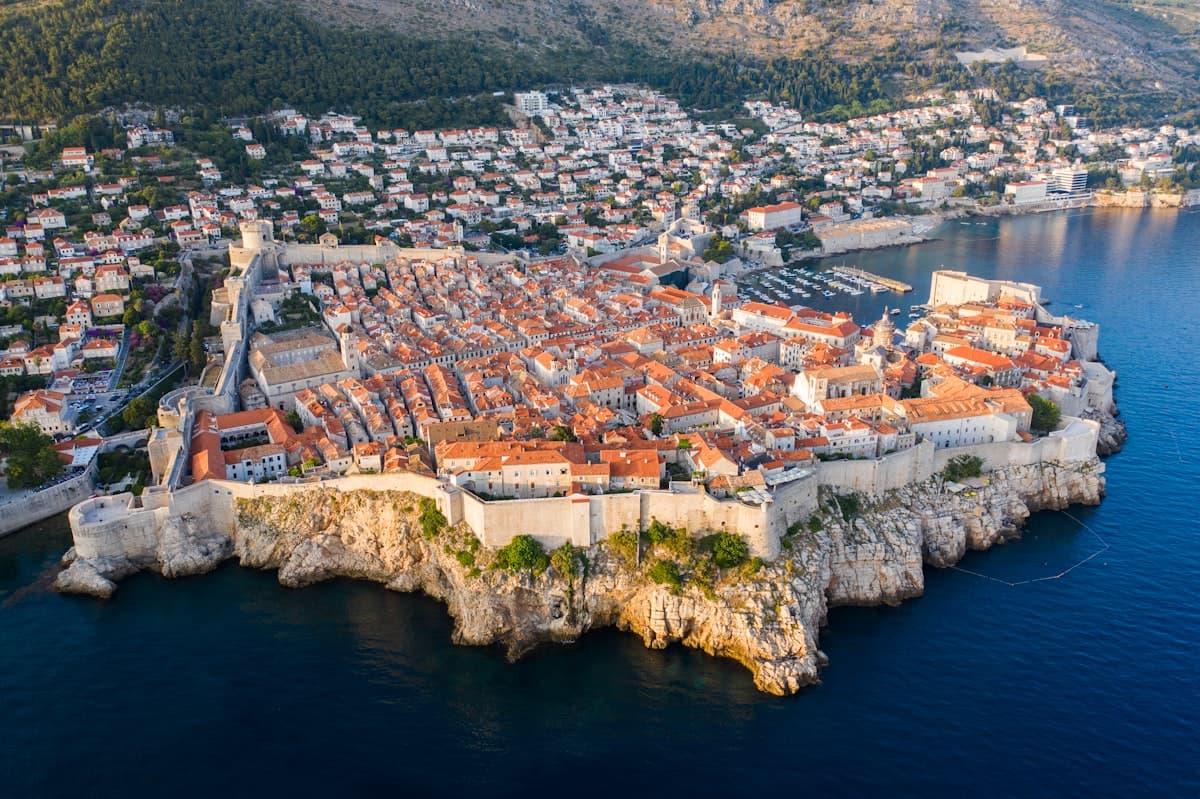
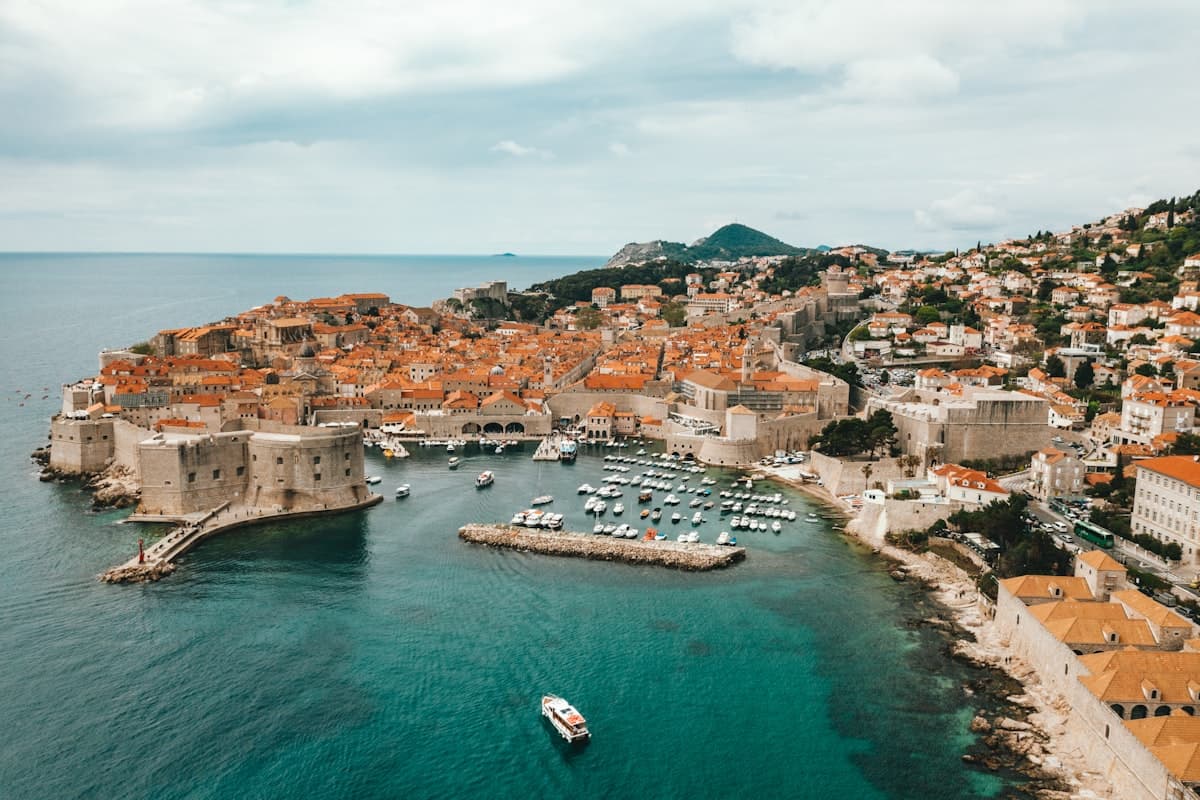
Croatia packs an extraordinary amount into its slender Adriatic coastline — ancient walled cities, over a thousand islands, cascading turquoise waterfalls, and some of the Mediterranean's clearest water. From the marble streets of Dubrovnik to the Roman ruins of Split and the pine-scented islands of Hvar and Korčula, Croatia has transformed from a hidden gem into one of Europe's most sought-after destinations. But its intensely seasonal tourism means the difference between visiting in July and October is enormous — in crowds, prices, and overall experience.
Personalize your results
Tell us what matters to you and we'll rank every month accordingly.
Your month-by-month breakdown
Scores based on your preferences. Higher is better.
May
Arguably the best month to visit. Warm and sunny, the sea is swimmable by late May, and the crowds haven't peaked yet. Prices are reasonable and everything is open.
September
The sweet spot for many travellers. Summer warmth lingers, the sea is at its warmest, and crowds thin noticeably. Prices drop and the light turns golden. Excellent for sailing.
June
Summer begins in earnest. Hot, sunny, and perfect for swimming and island hopping. Crowds build through the month. Early June still feels manageable; late June is busy.
October
Autumn brings truffle hunting in Istria, wine harvest festivals, and uncrowded old towns. Swimming is still possible in early October. Some seasonal businesses start closing by month's end.
January
Deep low season — many coastal hotels and restaurants are closed. Cool and rainy along the coast, cold inland. Great for Zagreb if you want a quiet city break at rock-bottom prices.
February
Still deep off-season on the coast. Rijeka's carnival is a spectacular exception — a massive, colourful celebration worth planning around. Otherwise very quiet.
November
Low season returns. Coastal towns go quiet and many restaurants close for winter. Rainy and grey but great for Istrian food trips. Zagreb is pleasant for a budget city break.
March
Spring begins slowly. Coastal towns start to wake up but many seasonal businesses remain closed. Pleasant for sightseeing in Dubrovnik and Split without a soul around.
December
Cool and wet on the coast, cold inland. Zagreb's Advent market is a standout reason to visit — warm lights, mulled wine, and festive charm. The coast is very quiet outside the holidays.
April
The coast comes alive. Warm enough for comfortable sightseeing but too cool to swim. Plitvice Lakes are at their most powerful with snowmelt. Excellent shoulder season value.
July
Peak season in full swing. Scorching heat, packed old towns, and premium prices. The Adriatic is gorgeous but Dubrovnik can feel overwhelmed by cruise ship passengers. Book everything far ahead.
August
The busiest and most expensive month. European holiday season floods the coast. Every island, beach, and restaurant is at capacity. Amazing weather but test your patience.
Quick facts
EUR (€)
Croatian
US and EU citizens can visit visa-free for up to 90 days within a 180-day period (Schengen Area). Croatia joined Schengen in January 2023.
9/10
Highlights
Explore cities in Croatia
Get city-specific weather, costs, and personalized recommendations.
Daily budget estimates
Average daily costs in USD per person.
budget
mid-range
luxury
Safety & things to know
Croatia is very safe for tourists and consistently ranks among the safest countries in Europe. Violent crime against visitors is extremely rare, and most trips are completely trouble-free.