
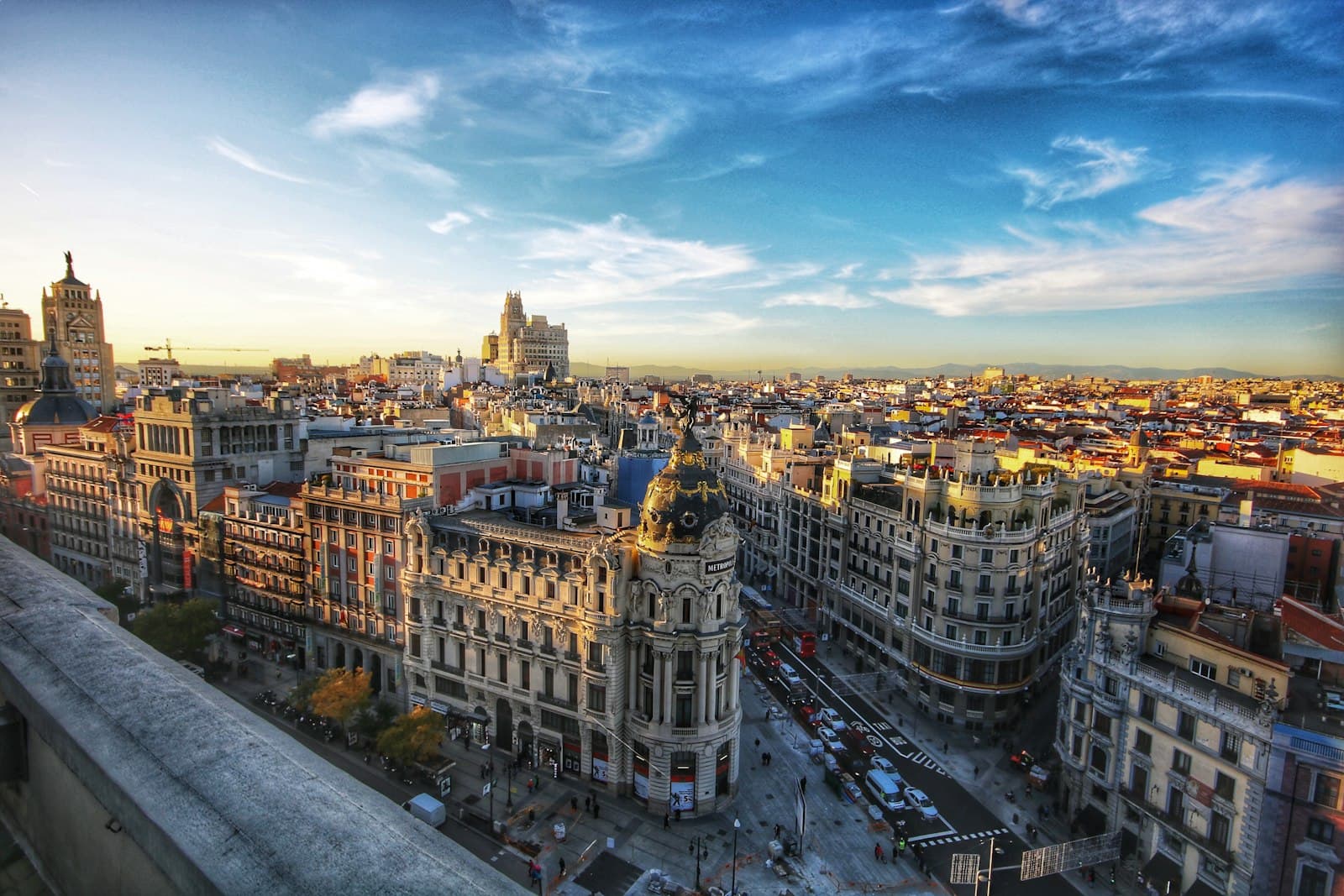
Best Time to Visit Spain
Spain is a country that rewards every kind of traveler — from the avant-garde architecture of Barcelona and the world-class art museums of Madrid to the flamenco-fueled nights of Seville and the sun-soaked beaches of the Costa del Sol. Add in a food culture built on tapas, paella, and pintxos, plus some of Europe's wildest festivals, and it's easy to see why Spain draws over 80 million visitors a year. But timing matters: summer heat can be brutal inland, coastal crowds peak in August, and shoulder seasons unlock a completely different (often better) experience.
Personalize your results
Tell us what matters to you and we'll rank every month accordingly.
Your month-by-month breakdown
Scores based on your preferences. Higher is better.
September
The secret best month alongside May. Summer warmth lingers but crowds thin and prices drop. Barcelona's La Mercè features free concerts, human towers, and fire runs. Wine harvest season in La Rioja is magical.
May
Excellent weather and moderate crowds. Córdoba's patio festival is enchanting. Long sunny days ideal for exploring cities, hiking, and early beach days in the south. Widely considered the sweet spot alongside September.
January
Cold and quiet across most of Spain. Madrid and the interior can be chilly, but the Canary Islands stay warm. Great for budget city breaks and museum-heavy itineraries. Three Kings Day parades are a highlight for families.
February
Still low season on the mainland with good prices. Carnival in Cádiz and Tenerife rivals Rio. Almond blossoms make Mallorca beautiful. Ski season is in full swing in the Sierra Nevada and Pyrenees.
November
Low season with cooler weather and fewer tourists. Excellent for museum-focused trips to Madrid and Bilbao's Guggenheim. Andalucía remains mild. Budget-friendly across the board.
June
Summer arrives with hot days and festive energy. San Juan bonfires light up beaches across Spain. Barcelona's music festival scene is world-class. Beach season is fully underway. Inland cities like Seville and Córdoba start getting very hot.
October
Autumn brings pleasant temperatures and great shoulder season pricing. Still warm enough for beaches in Andalucía and the Balearics. Rain starts in the north. Ideal for food and wine tourism.
March
Spring arrives with pleasant temperatures for sightseeing. Las Fallas in Valencia is one of Spain's most spectacular festivals — enormous sculptures, fireworks, and controlled burns. Shoulder season pricing still applies.
December
Cool and festive. Christmas markets are charming, and the midnight grape tradition on New Year's Eve is uniquely Spanish. Prices spike around the holidays but early December is a bargain. The Canary Islands offer warm winter sun.
April
One of the best months to visit. Semana Santa processions are deeply moving, especially in Seville and Málaga. Feria de Abril brings flamenco, horses, and sherry. Warm enough for the coast, not yet scorching inland.
July
Peak summer — very hot inland (Madrid and Seville regularly exceed 38°C), but the northern coast and islands are perfect. San Fermín in Pamplona is iconic. Beaches are crowded but lively. Book well in advance.
August
The most crowded and expensive month. Spaniards and Europeans flood the coasts. La Tomatina is a bucket-list food fight. Inland cities empty out from the heat — many locals flee to the coast. Ibiza peaks.
Quick facts
EUR (€)
Spanish
US and EU citizens can visit visa-free for up to 90 days within a 180-day period (Schengen Area).
8/10
Highlights
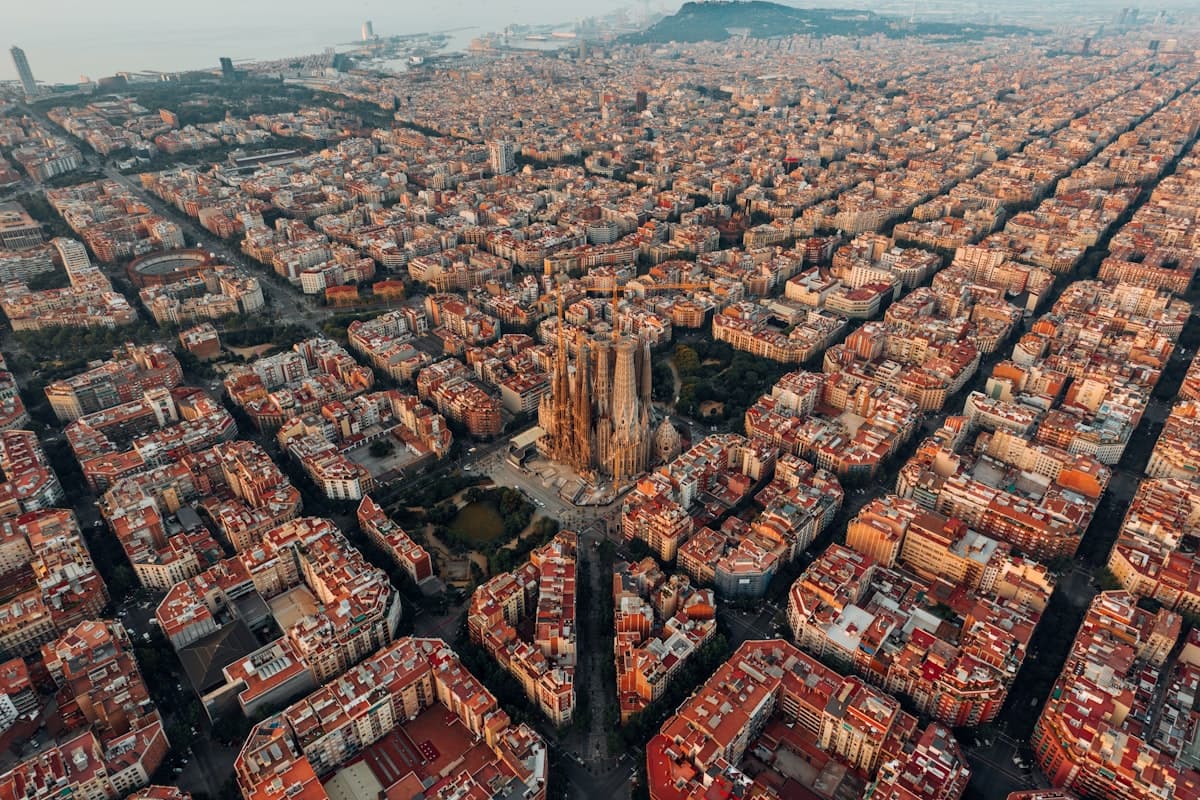
Explore cities in Spain
Get city-specific weather, costs, and personalized recommendations.
Daily budget estimates
Average daily costs in USD per person.
budget
mid-range
luxury
Safety & things to know
Spain is a very safe country for tourists and ranks well on the Global Peace Index. Violent crime against visitors is extremely rare. The main concerns are petty theft in major tourist areas.