
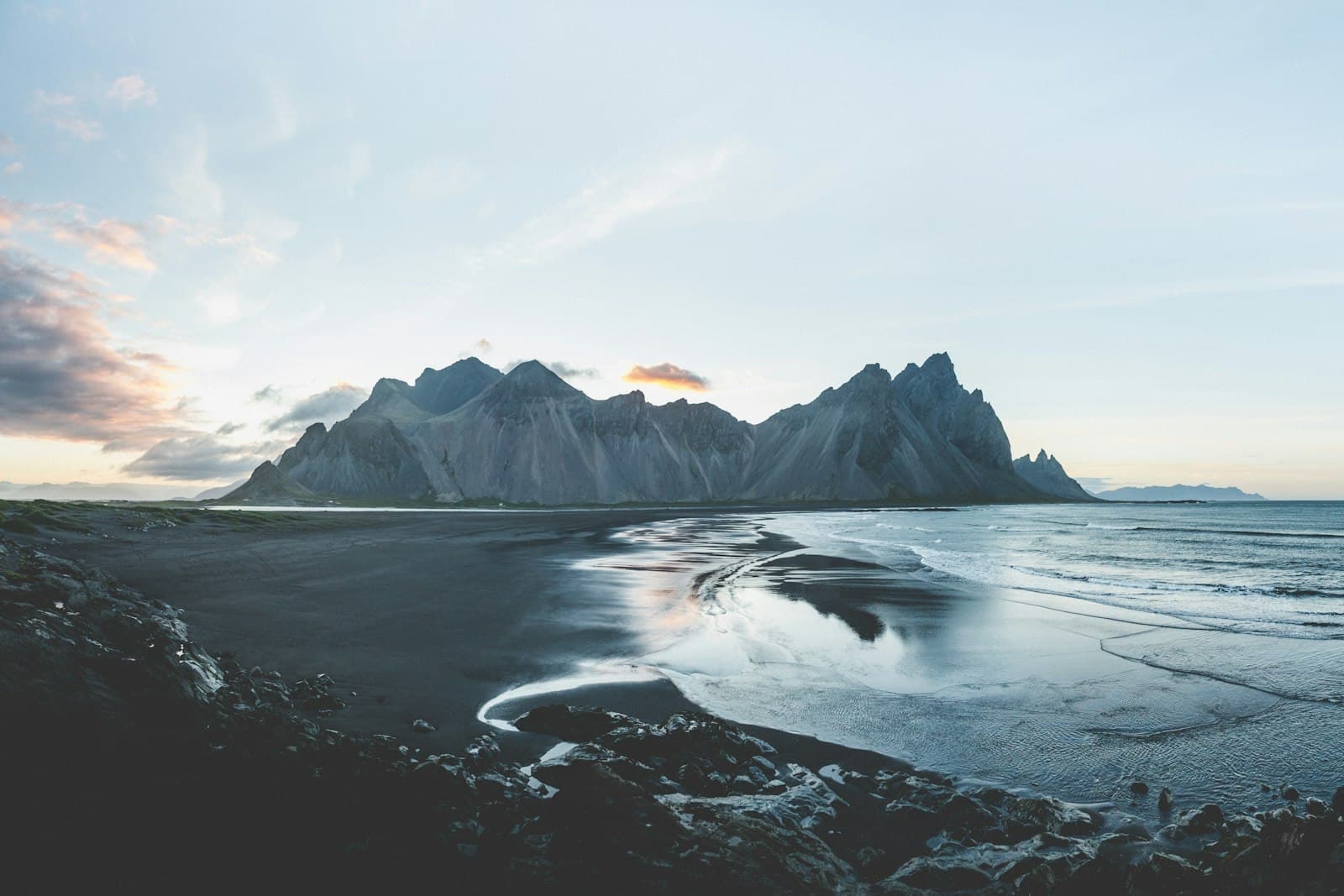
Best Time to Visit Iceland
Iceland is a land of extremes — volcanic landscapes, enormous glaciers, thundering waterfalls, and geothermal hot springs, all packed into an island just south of the Arctic Circle. From chasing the northern lights across winter skies to hiking under the midnight sun, the experience changes dramatically by season. It's one of the safest countries on Earth but also one of the most expensive, and its weather can shift from sunshine to sideways rain in minutes. When you visit shapes everything — whether you'll see the aurora, drive the highlands, or swim in a glacial lagoon — so choosing the right month matters more here than almost anywhere else.
Personalize your results
Tell us what matters to you and we'll rank every month accordingly.
Your month-by-month breakdown
Scores based on your preferences. Higher is better.
April
Shoulder season with lengthening days (13-16 hours of light). Snow is melting but highland roads remain closed. Fewer crowds and lower prices. Occasional northern lights early in the month.
January
Deep winter with only 4-5 hours of daylight. Prime northern lights season. Roads can be treacherous but the landscape is hauntingly beautiful under snow. Ice cave tours are in full swing.
October
Autumn deepens with 8-11 hours of daylight. Highland roads are closed. Good northern lights conditions with longer dark hours. Weather is unpredictable — pack for everything. Shoulder season prices return.
February
Still deep winter but daylight is noticeably increasing. Excellent for northern lights, ice caves, and glacier hikes. Growing in popularity as a winter escape.
March
A sweet spot for winter activities — more daylight for sightseeing (10-12 hours) while still dark enough for northern lights. Spring equinox brings balanced days. Last chance for ice caves.
November
Winter sets in with short days (5-7 hours of light) and frequent storms. Excellent for northern lights. Ice cave tours resume. Iceland Airwaves brings Reykjavik's music scene alive. Roads can be challenging.
May
Late spring with nearly 20 hours of daylight by month's end. Waterfalls are at peak flow from snowmelt. Puffins arrive. Ring Road is mostly passable but highland roads are still closed. A wonderful shoulder season month.
December
The darkest month with only about 4 hours of daylight around the solstice. The holiday season is magical with Yule Lad traditions and spectacular New Year's fireworks in Reykjavik. Northern lights are excellent. Prices spike around the holidays.
September
An underrated gem. Crowds thin, prices drop, and the northern lights return. Autumn colors paint the landscape. Highland roads start closing mid-to-late month. The balance of daylight and dark nights makes it ideal for both sightseeing and aurora hunting.
June
The midnight sun arrives — the sun barely dips below the horizon. Peak hiking season begins. Highland roads start opening late in the month. High season pricing kicks in. No northern lights possible.
August
Still peak season with warm weather and long days. Highlands are fully accessible. Crowds remain heavy on the Ring Road. Northern lights can occasionally appear by late August as nights return.
July
The warmest month and peak tourist season. Highland interior is accessible. Best month for multi-day treks like Laugavegur. Expect crowds at popular sites and the highest prices of the year. Book everything far in advance.
Quick facts
ISK (kr)
Icelandic
US and EU citizens can visit visa-free for up to 90 days within a 180-day period (Schengen Area).
9/10
Highlights
Daily budget estimates
Average daily costs in USD per person.
budget
mid-range
luxury
Safety & things to know
Iceland consistently ranks as one of the safest countries in the world. There is virtually no violent crime, and the police don't carry firearms. The real dangers come from nature — unpredictable weather, rough terrain, and powerful natural forces that demand respect.