
Best Time to Visit Greece
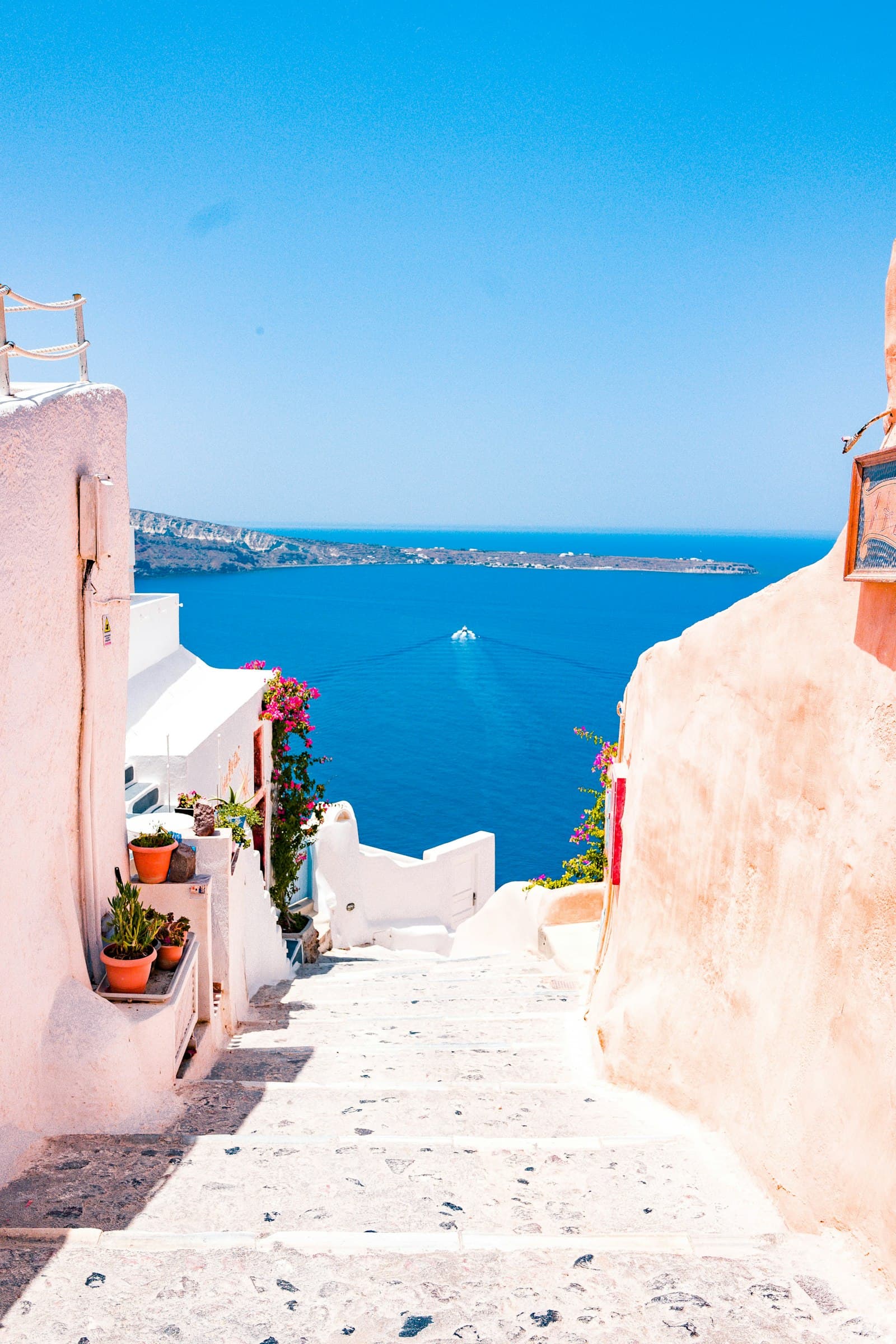
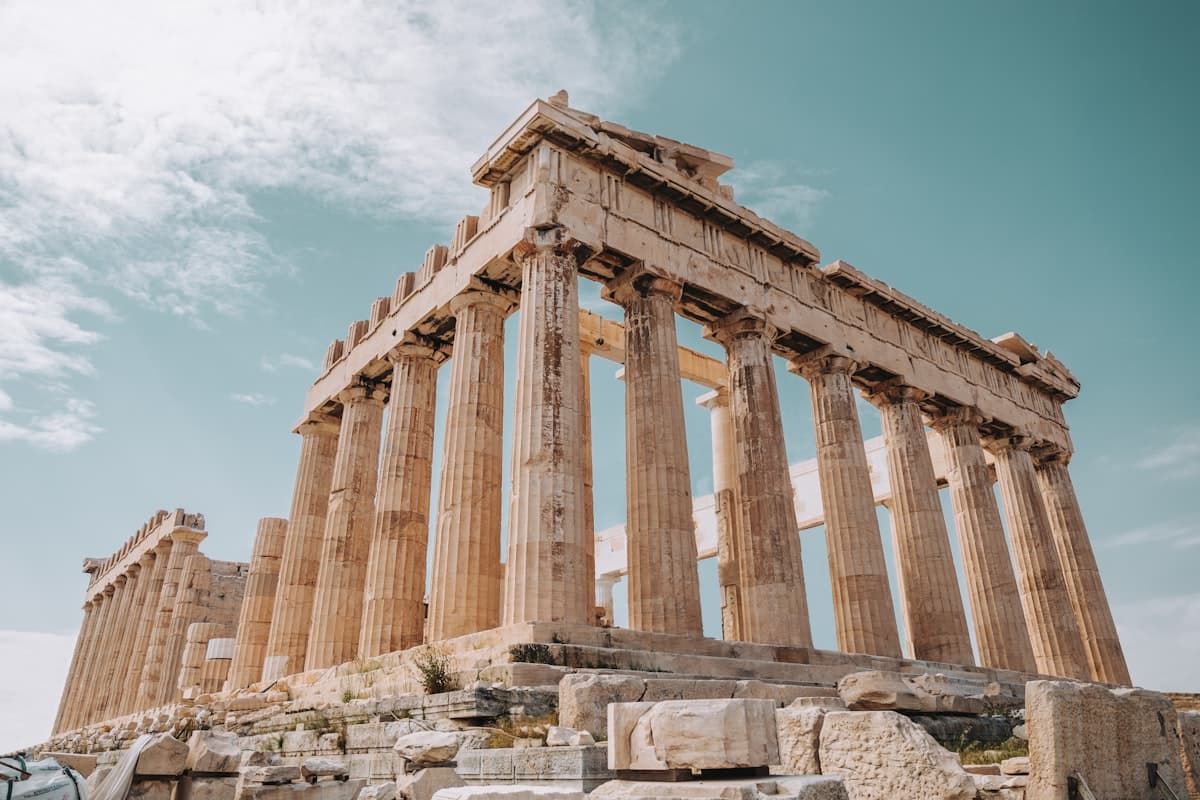
Greece is where ancient history meets island paradise. From the whitewashed cliffs of Santorini and the turquoise waters of Crete to the Acropolis towering over Athens, it's a destination that blends mythology, world-class beaches, and extraordinary food into something unforgettable. But timing matters more here than almost anywhere in Europe — the Greek islands have a dramatically different character between the buzzing peak of summer and the near-total shutdown of winter. Whether you want to island-hop through the Cyclades, explore ancient ruins, or simply eat your weight in souvlaki by the sea, the best time to go depends on what kind of trip you're planning.
Personalize your results
Tell us what matters to you and we'll rank every month accordingly.
Your month-by-month breakdown
Scores based on your preferences. Higher is better.
May
One of the best months to visit. Warm and sunny, the sea is starting to warm up, and the islands are open but not yet overwhelmed. Wildflowers are everywhere. Prices are reasonable and the light is stunning.
October
Late shoulder season. Still warm enough for swimming in the first half. Islands start winding down — some smaller ones close by month's end. Excellent prices and thin crowds. Great for Crete, Rhodes, and the mainland.
September
Many seasoned travelers consider this the best month. The crushing crowds thin out, prices start dropping, and the sea is at its warmest. Still hot but more bearable. Islands remain fully open. Excellent for island hopping.
January
Deep off-season. Most island hotels, restaurants, and ferry routes are closed. Athens is cool and quiet — ideal for museum visits and archaeological sites without crowds. Very affordable but limited options outside the mainland.
February
Still winter and most islands remain shuttered. Carnival season brings festive energy to Patras and Athens. A budget-friendly time for mainland exploration, but not the Greece of postcards.
April
A magical time if Easter falls here. Orthodox Easter is Greece's most important holiday — candlelit processions, midnight church services, and lamb on the spit. Islands are waking up. Warm enough for sightseeing, still too cool for swimming.
June
Summer arrives in full force. Hot, dry, and long days — perfect beach weather. The sea is warm enough for swimming. Crowds build through the month, especially on Santorini and Mykonos. The Athens Festival brings world-class performances to ancient venues.
November
Off-season begins. Most island businesses close for winter. Ferry schedules thin out dramatically. Athens and Thessaloniki are pleasant for city breaks. Rainy spells increase but prices are rock-bottom.
March
Spring starts to arrive on the mainland. Wildflowers cover the hillsides. Some island businesses begin reopening but ferry schedules are still limited. Good for Athens and the Peloponnese.
December
Cool and wet — a mainland-only trip. Athens gets festive with Christmas decorations and holiday markets. Very few tourists. Islands are largely closed. A budget-friendly time to explore museums, ruins, and the food scene.
July
Peak summer — blazing hot, bone dry, and very crowded on the popular islands. Santorini and Mykonos are packed. Less touristy islands like Naxos or Milos are a better bet. Perfect for beach life but challenging for sightseeing in the midday heat.
August
The most crowded and expensive month. August 15th is Greece's second-biggest holiday and the islands swell with both tourists and Greeks on holiday. Book months in advance. Scorching heat — sightseeing is best done early morning or after sunset.
Quick facts
EUR (€)
Greek
US and EU citizens can visit visa-free for up to 90 days within a 180-day period (Schengen Area).
8/10
Highlights
Explore cities in Greece
Get city-specific weather, costs, and personalized recommendations.
Daily budget estimates
Average daily costs in USD per person.
budget
mid-range
luxury
Safety & things to know
Greece is a very safe destination for tourists. Violent crime is extremely rare, and most visits are trouble-free. The main risks are petty theft in crowded areas and the intense summer heat.